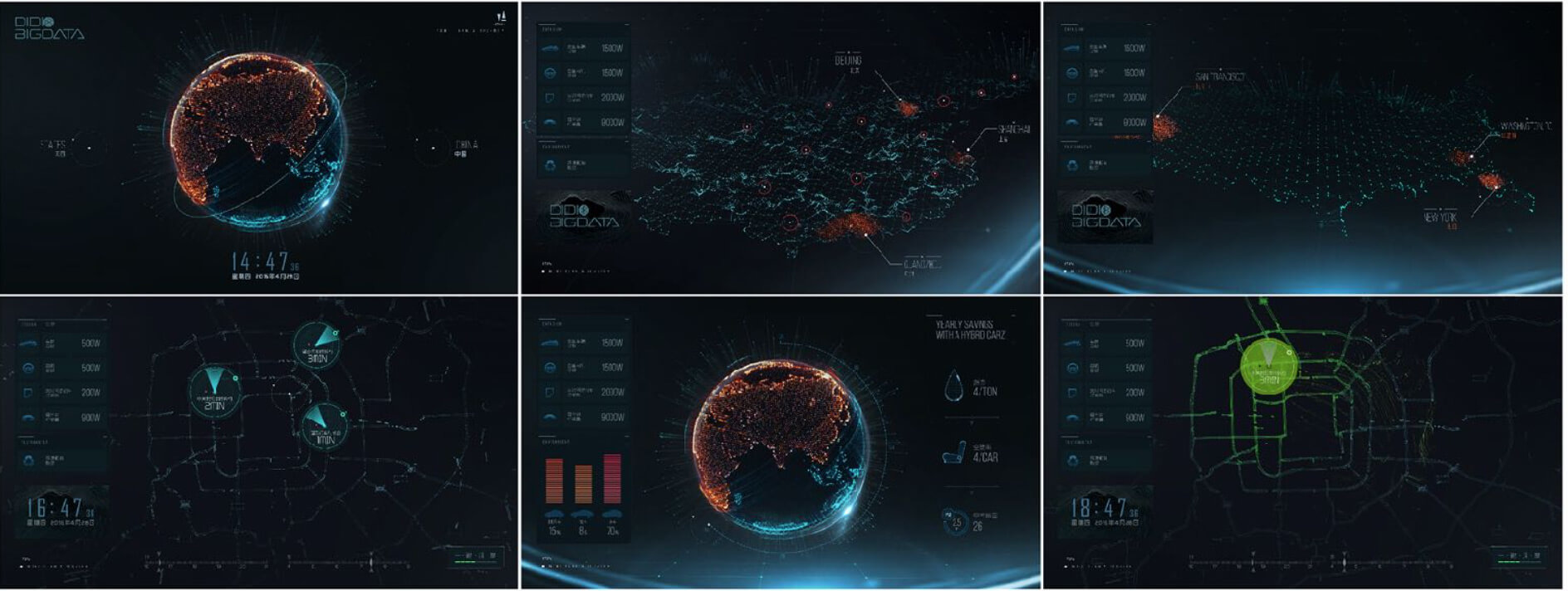
 Culture
How the HEIGE brand design team connects strategy, identity and content
A brand design note on HEIGE brand design: The value of a design team is not only visual output, but the ability to connect brand judgement, creative direction, content structure and execution into one workflow.

Strong brand design is not only a visual system. It reduces communication cost, builds trust, and turns identity into a long-term business asset.
Many brand systems fail to create value not because they lack material, but because they do not clarify the business problem. A useful reading of HEIGE brand design should ask whether the work lowers understanding cost, builds trust faster, and keeps sales and communication touchpoints consistent.
The value of a design team is not only visual output, but the ability to connect brand judgement, creative direction, content structure and execution into one workflow.
The point here is not style preference. It is business use: whether the website explains the offer faster, whether the brochure helps sales build confidence, and whether the brand system lets the team communicate consistently over time. That is where HEIGE brand design connects brand logo design, corporate website design, brochure design, and interactive website design.
In the HEIGE company profile, the studio is described as a team of brand visual design, marketing strategy and creative execution specialists. Deng Hui has 12 years of brand design experience across Didi, Kuaishou and NetEase Cloud Music; Wang Fei brings 12 years of advertising and creative strategy experience, as well as travel-content IP experience. This mix allows strategy, identity and content to move together.
Not a visual problem, but a business communication problem
The real difficulty is rarely one finished image. It is whether the brand keeps answering the questions customers actually care about: who the company is, what value it provides, why it can be trusted, and what the next step should be. Websites, brochures, sales pages, campaign materials, and social content are different scenes for the same business communication task.
First, reduce the cost of understanding
Effective brand expression helps users understand the business boundary and value proposition faster. A visitor should not have to guess what the company solves after moving through a homepage, company profile, or product landing page. The business value of design begins when that judgement becomes easier.
Build trust faster
Brand design does not only create memory. It organizes capability, proof, service promise, project evidence, and team credibility into a form that is easier to believe. Headlines, images, cases, data, team introductions, and calls to action should all reduce doubt and make the next conversation easier.
Keep communication and sales material consistent
The useful part of HEIGE brand design is whether it can continue into websites, brochures, interactive pages, product landing pages, and sales material. If every touchpoint explains the brand differently, internal teams lose time and external users receive mixed signals. Systematic design lowers that repeated communication cost.
Turn one project into a long-term asset
The real question is whether the brand asset can keep accumulating value. If a project only solves launch-day presentation, its value fades quickly. If it becomes the basis for future website updates, investor decks, sales conversations, and content publishing, it starts to serve business operations.
What this means for commercial brands
The useful lesson for corporate website design, brochure design, or brand system work is not to copy a visual form. It is to see how design helps a brand become easier to understand, easier to trust, and more consistent across business touchpoints. For commercial projects, design should serve growth efficiency, team alignment, and long-term brand equity.
Back To Positioning: Leave A Reason To Choose
Borrowing from Ries and Trout’s positioning thinking, the real contest is not one moment of exposure, but a clear place in the customer’s mind. In this HEIGE brand design project, the value of design is how it turns complex information into a reason that is easier to understand, remember, and choose.
When identity, content, proof, and touchpoints all point to the same place, a brand refresh can become an asset that keeps working in the market.
Why brand communication needs repeatable content templates
A brand design note on brand communication content: When a brand needs continuous articles, posters, social content, event pages and sales materials, creative production cannot restart from zero every time.
HEIGE Brand Design Notes / 6 min
Brand consulting design should see the problem behind the brief
A brand design note on brand consulting design: Many briefs look like a logo refresh, brochure update or website redesign. The deeper issue is often unclear positioning, unfocused value expression or inconsistent touchpoints.
HEIGE Brand Design Notes / 6 min
How coffee packaging turns a category story into a brand asset
A commercial case reading on brand logo design: "The Extraction Economy" offers a clear entry point for reading how brand design connects recognition cost, trust, communication efficiency, and multi-touchpoint business use.
HEIGE Brand Design Notes / 6 min