

Insights HEIGE Brand Design Notes / 6 min

How a hair-loss brand turns a sensitive need into trust

A commercial case reading on brand logo design: "Creative Spark’s bold, no nonsense identity for hair loss brand Leo" offers a clear entry point for reading how brand design connects recognition cost, trust, communication efficiency, and multi-touchpoint

How a hair-loss brand turns a sensitive need into trust

Strong brand design is not only a visual system. It reduces communication cost, builds trust, and turns identity into a long-term business asset.

The useful question is not whether a brand case looks new, but what business problem it helps solve. "Creative Spark’s bold, no nonsense identity for hair loss brand Leo" is a useful example for reading how brand design helps a project become easier to understand, easier to remember, and more useful across later communication and business touchpoints.

Creative Spark’s bold, no nonsense identity for hair loss brand Leo
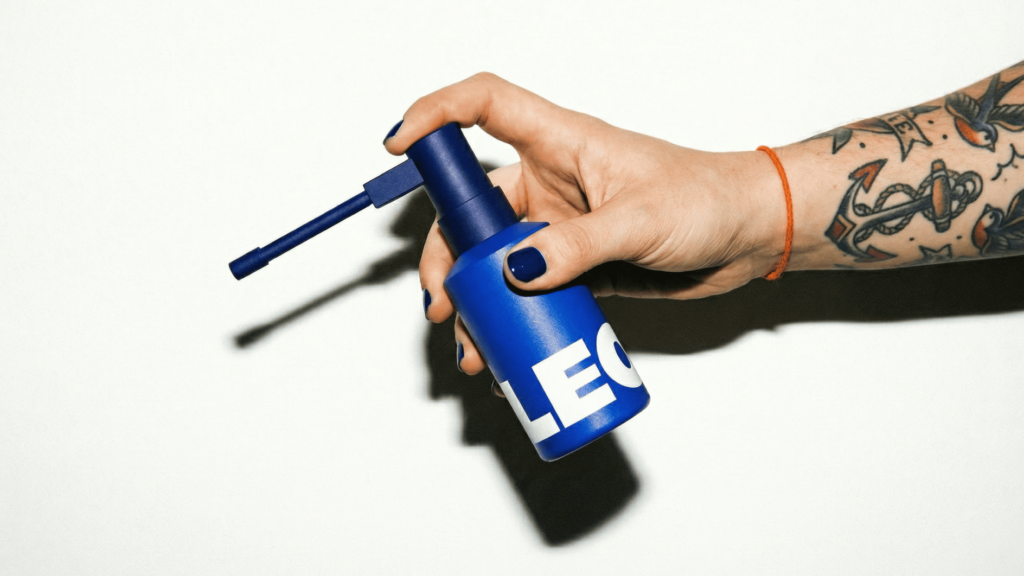
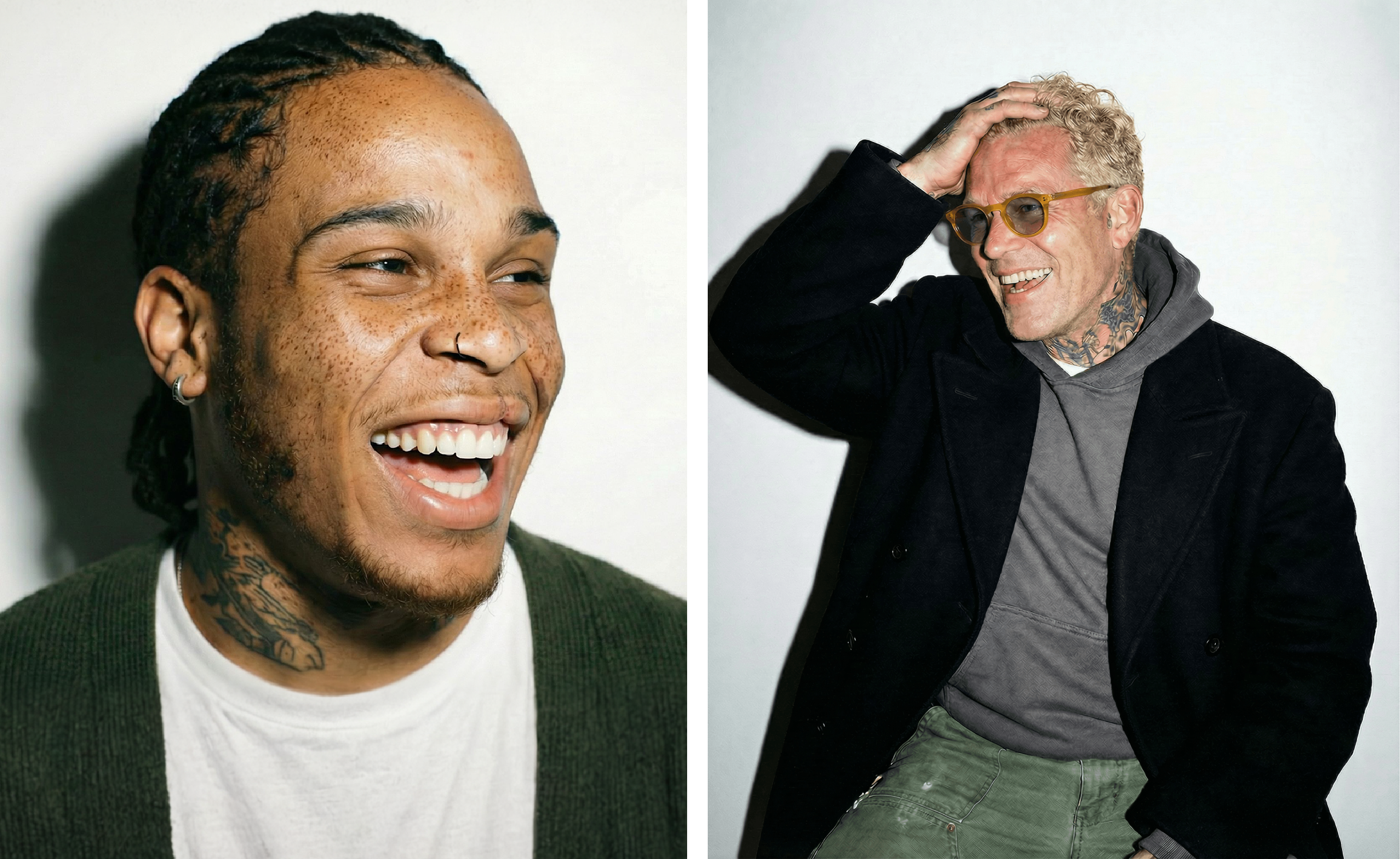
Caption: The lead image carries the first recognition task: connecting category, brand, and value in one market-facing signal.
Source: https://bpando.org/2026/06/09/creative-spark-hair-loss-brand-leo/

According to the project information on the original page, Leo is billed as a “hair rejuvenation brand”,founded by duo Jason Saks (who carries the rather sweet, and quite funny job title of Director of Hair Loss) and his son Joe, with the broad aim to make hair loss feel “less i...

"Creative Spark’s bold, no nonsense identity for hair loss brand Leo" offers a clear entry point for reading how brand design connects recognition cost, trust, communication efficiency, and multi-touchpoint business use.

The real subject is not form by itself. It is whether brand design becomes a business asset: whether it helps audiences understand the project faster, helps media and sales teams retell it more easily, and keeps websites, brochures, campaign material, and digital pages aligned. That matters directly to brand logo design, brand systems, and corporate website design.

Images and basic case facts republished from: BP&O. The commentary here is HEIGE’s own reading of the material.

Not just a refresh, but a reorganization of brand assets

"Creative Spark’s bold, no nonsense identity for hair loss brand Leo" is not only about a finished page or a polished image. It is about how brand assets are reorganized around business communication: how the brand is understood, how value is proven, and how communication stays consistent.

The key is not whether the form is complex. It is whether it lowers communication cost across repeated use. That is why this kind of work is worth reading in a business context.

Creative Spark’s bold, no nonsense identity for hair loss brand Leo
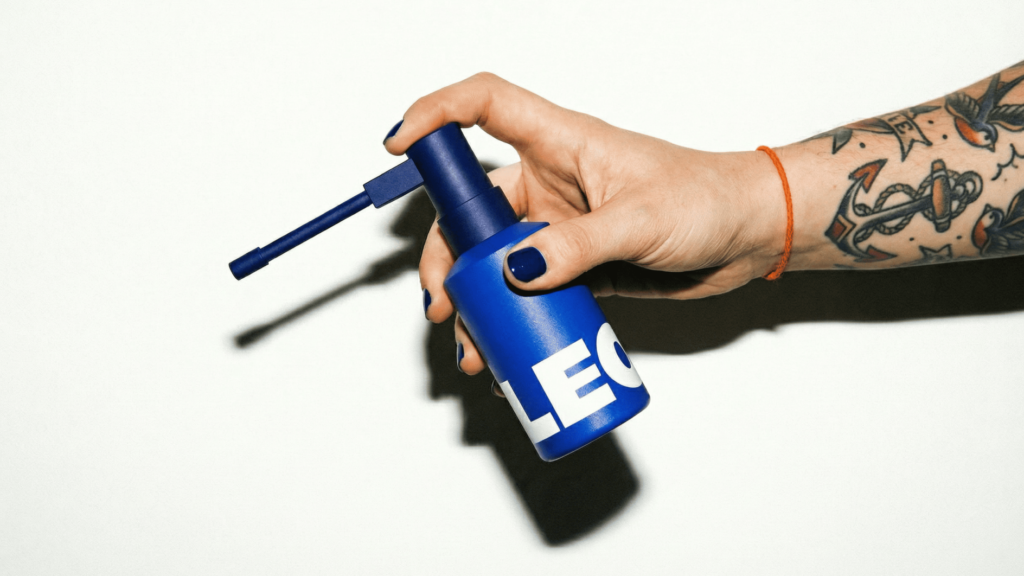
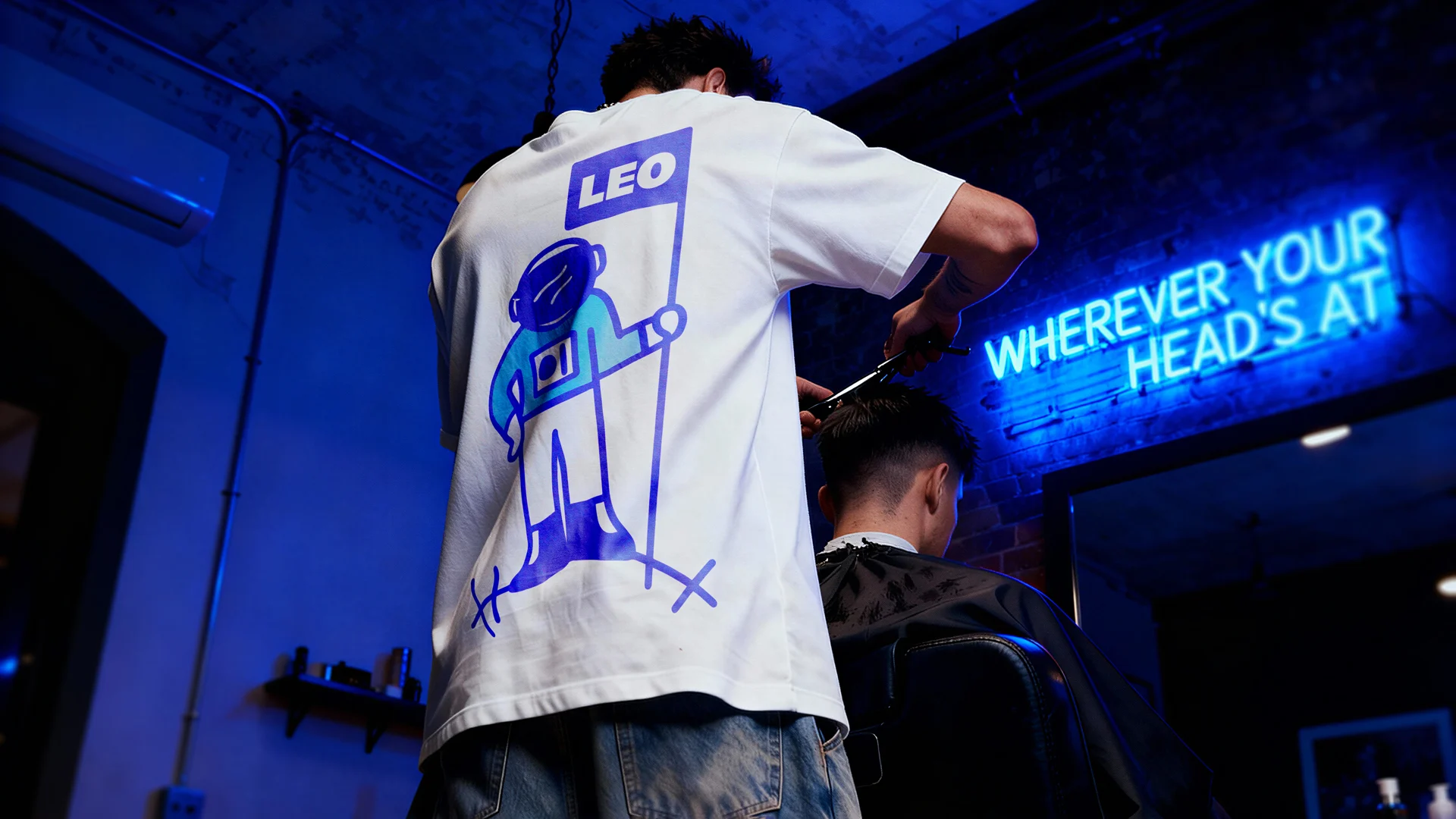
Caption: A consistent expression across materials helps media, websites, and sales conversations speak in the same direction.
Source: https://bpando.org/2026/06/09/creative-spark-hair-loss-brand-leo/

The business problem it solves first

A brand project first has to solve whether users can quickly understand why it matters to them. When brand expression connects positioning, benefits, and credibility in one line of communication, it lowers the cost of understanding.

This is where many commercial projects lose focus. The more content a brand has, the more it needs one shared business judgement; otherwise websites, brochures, social content, and sales language begin to say different things.

Creative Spark’s bold, no nonsense identity for hair loss brand Leo
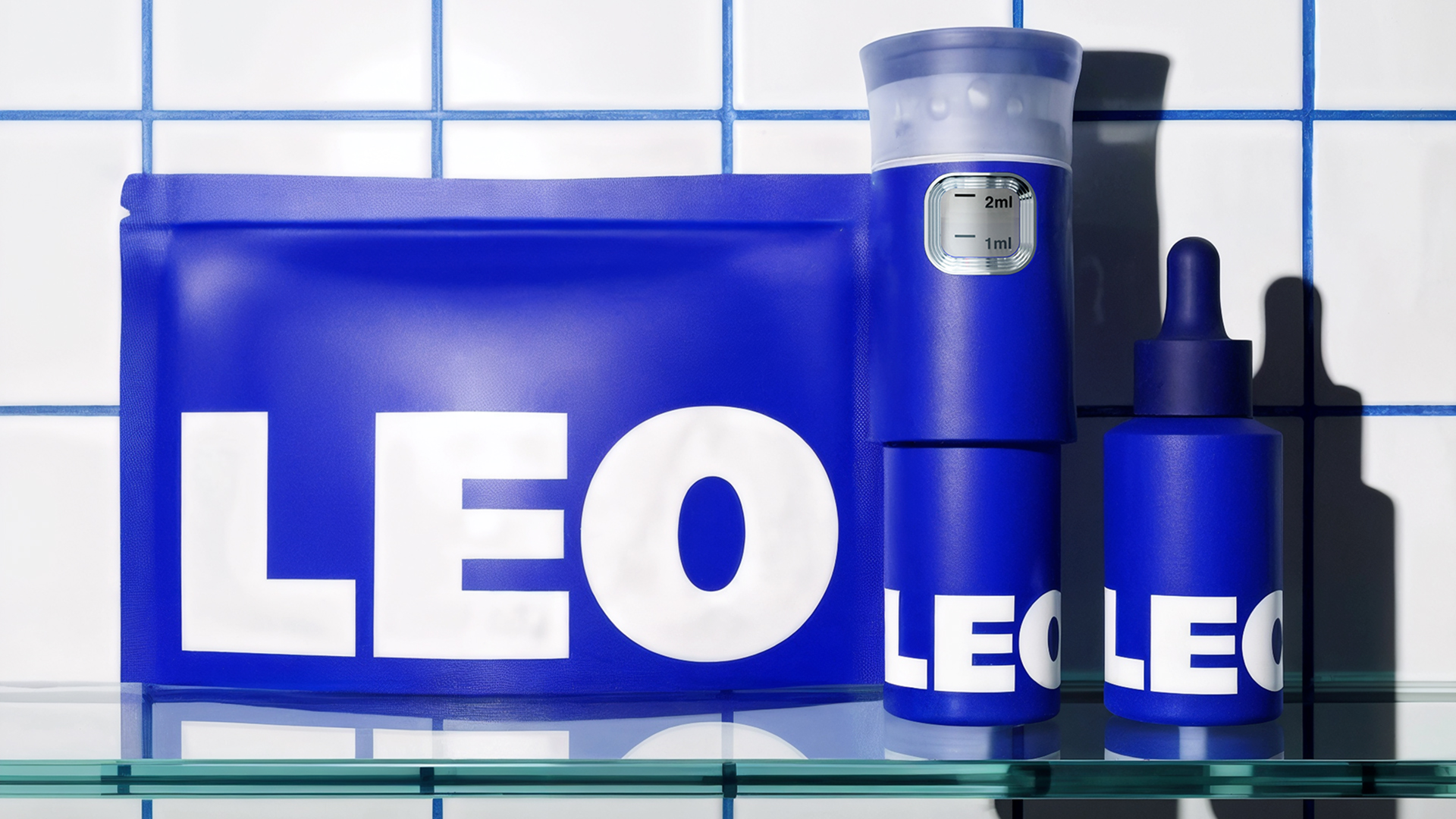
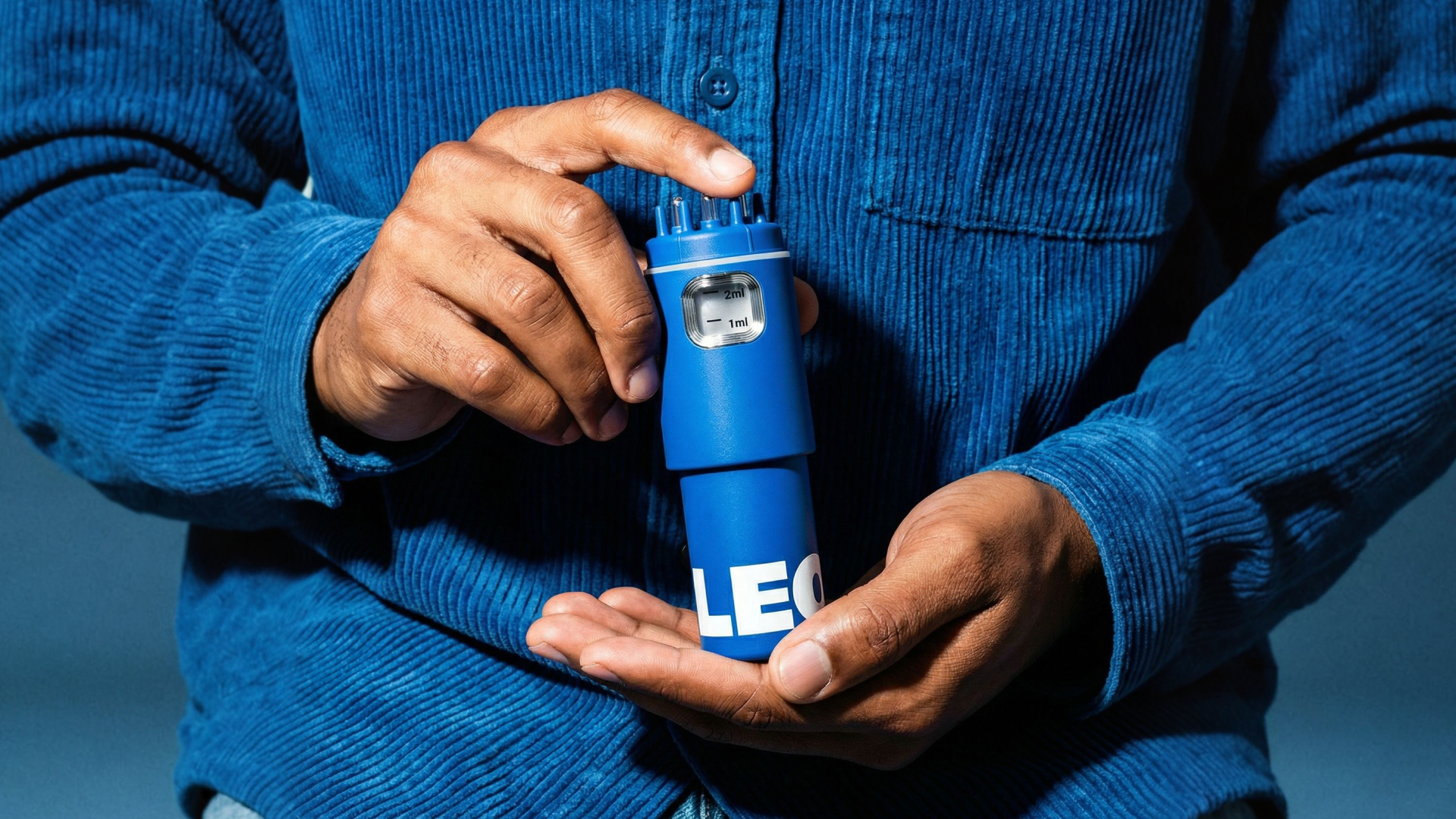
Caption: When core assets repeat, teams spend less time explaining who the brand is and more time moving the conversation forward.
Source: https://bpando.org/2026/06/09/creative-spark-hair-loss-brand-leo/

Why recognition affects memory cost

The largest gap between a strong case and an average showcase is often whether the brand can be remembered and retold. Users, media, partners, and internal teams all need a clear handle that turns a complex project into something easier to explain.

That makes the brand asset valuable beyond presentation. The lower the memory cost, the higher the communication efficiency across websites, brochures, investor material, and sales conversations.

Creative Spark’s bold, no nonsense identity for hair loss brand Leo
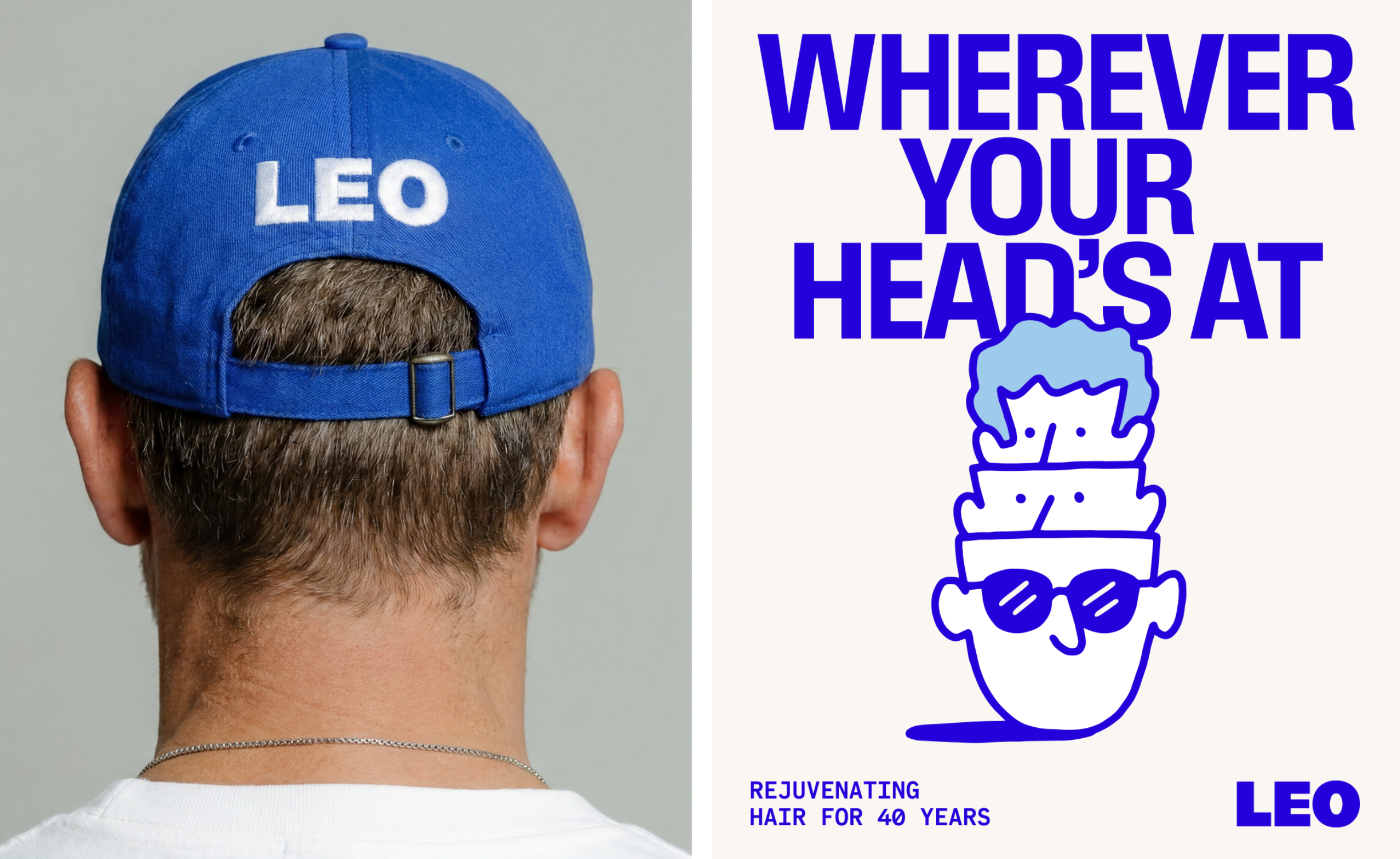
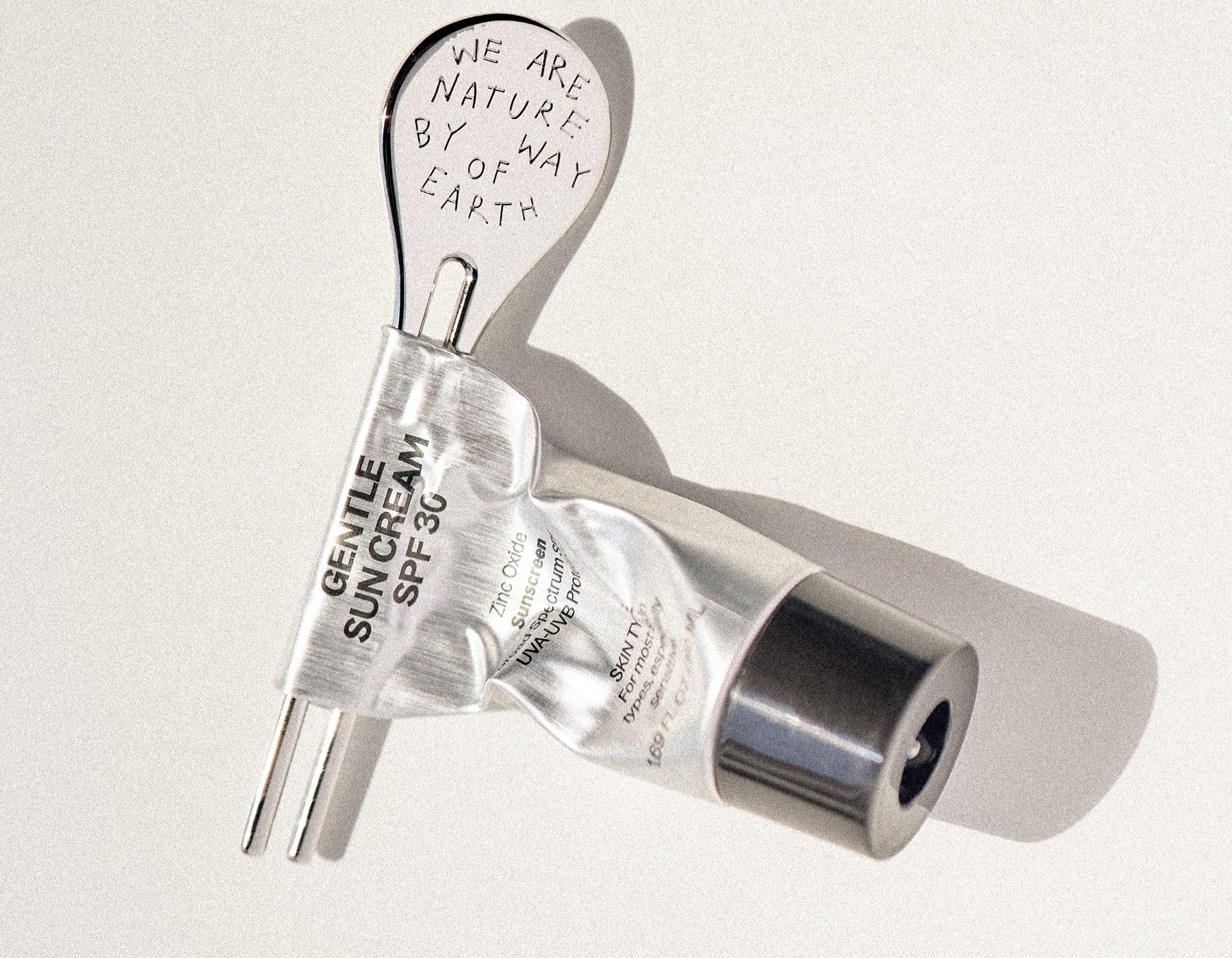
Caption: The more business scenes the system enters, the easier it is to judge whether it supports use beyond launch imagery.
Source: https://bpando.org/2026/06/09/creative-spark-hair-loss-brand-leo/

Consistency across touchpoints creates communication efficiency

The practical value of a case eventually returns to business touchpoints. Corporate website design, brochure design, interactive website design, product landing page design, and sales material all meet different customers at different decision stages. If the project only works inside a showcase page, its business value remains limited.

When the value proposition, proof, and communication tone stay consistent, the project starts to act like a brand system that the team can keep using.

Creative Spark’s bold, no nonsense identity for hair loss brand Leo
Caption: Digital touchpoints still need to explain value, prove credibility, and guide attention toward the next action.
Source: https://bpando.org/2026/06/09/creative-spark-hair-loss-brand-leo/

From content display to brand trust

Viewed together, the images show how brand trust is repeatedly built across touchpoints. The images are not the point by themselves; they serve a business goal: making the project easier to understand, the brand easier to believe, and the next conversation easier to start.

Creative Spark’s bold, no nonsense identity for hair loss brand Leo
Caption: Seen together, the applications show whether brand assets can be reused over time.
Source: https://bpando.org/2026/06/09/creative-spark-hair-loss-brand-leo/

What this means for commercial brands

The useful lesson for corporate website design, brochure design, or brand system work is not to copy the surface form. It is to see how brand assets, customer understanding, trust evidence, and business touchpoints are kept inside one operating logic. Commercial projects need design that lowers communication cost, improves retelling efficiency, and supports long-term growth.

Back To Value Delivery: Explain Less Next Time

Borrowing from Philip Kotler’s view of marketing as creating and delivering value, brand design should not create surface noise. It should make value easier to see, believe, and act on.

That is the useful lesson in "Creative Spark’s bold, no nonsense identity for hair loss brand Leo": design translates commercial value into assets that are recognizable, repeatable, and easier for the next conversation to carry.