 团队文化
团队文化
技术品牌如何把复杂能力转化为清晰理解
黑格品牌设计观察:围绕技术品牌如何把复杂能力转化为清晰理解,讨论品牌资产、理解成本、信任建立和商业触点的一致表达。
成熟的品牌设计,不是停留在表层视觉,而是降低沟通成本、建立信任并沉淀长期品牌资产。
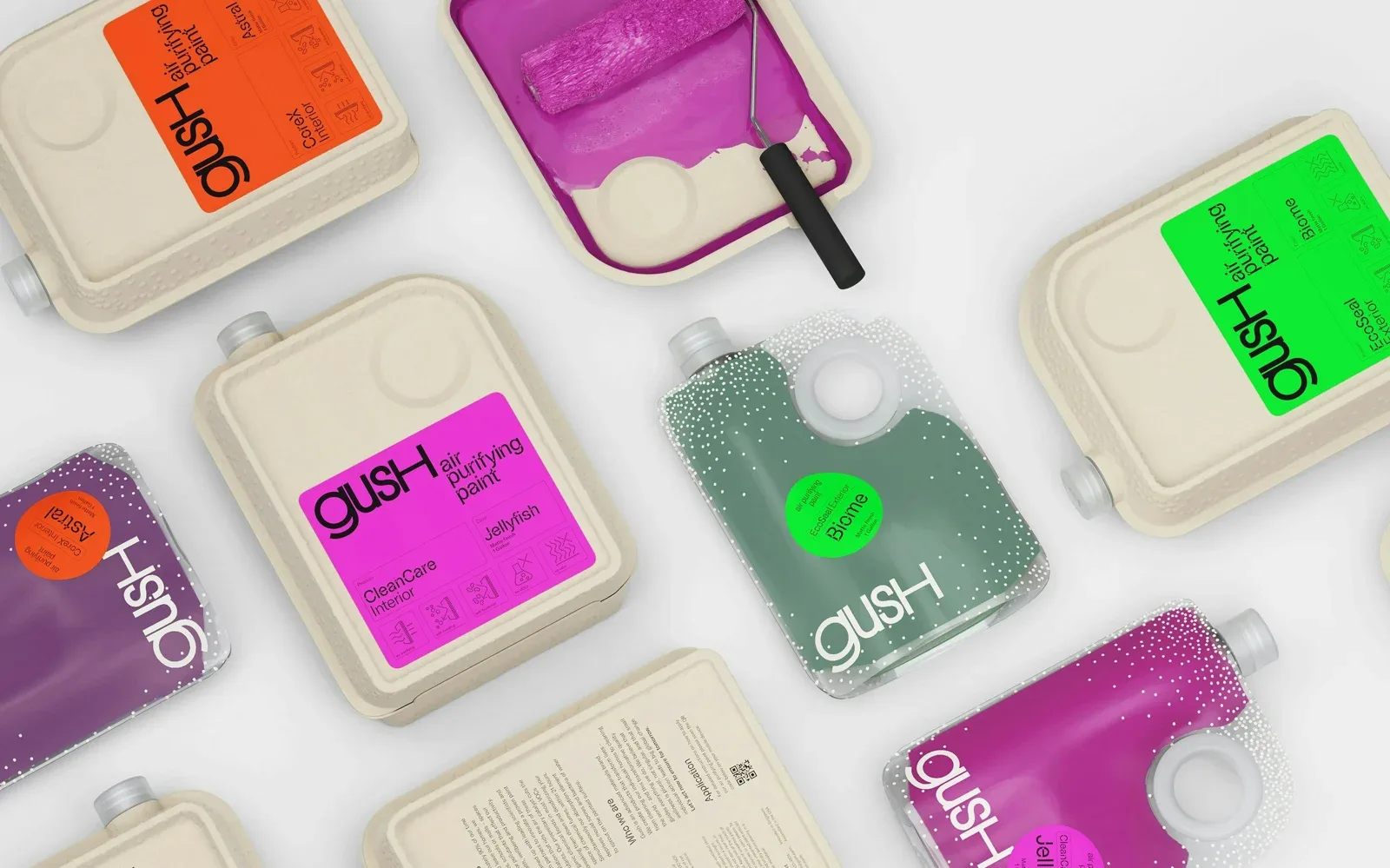
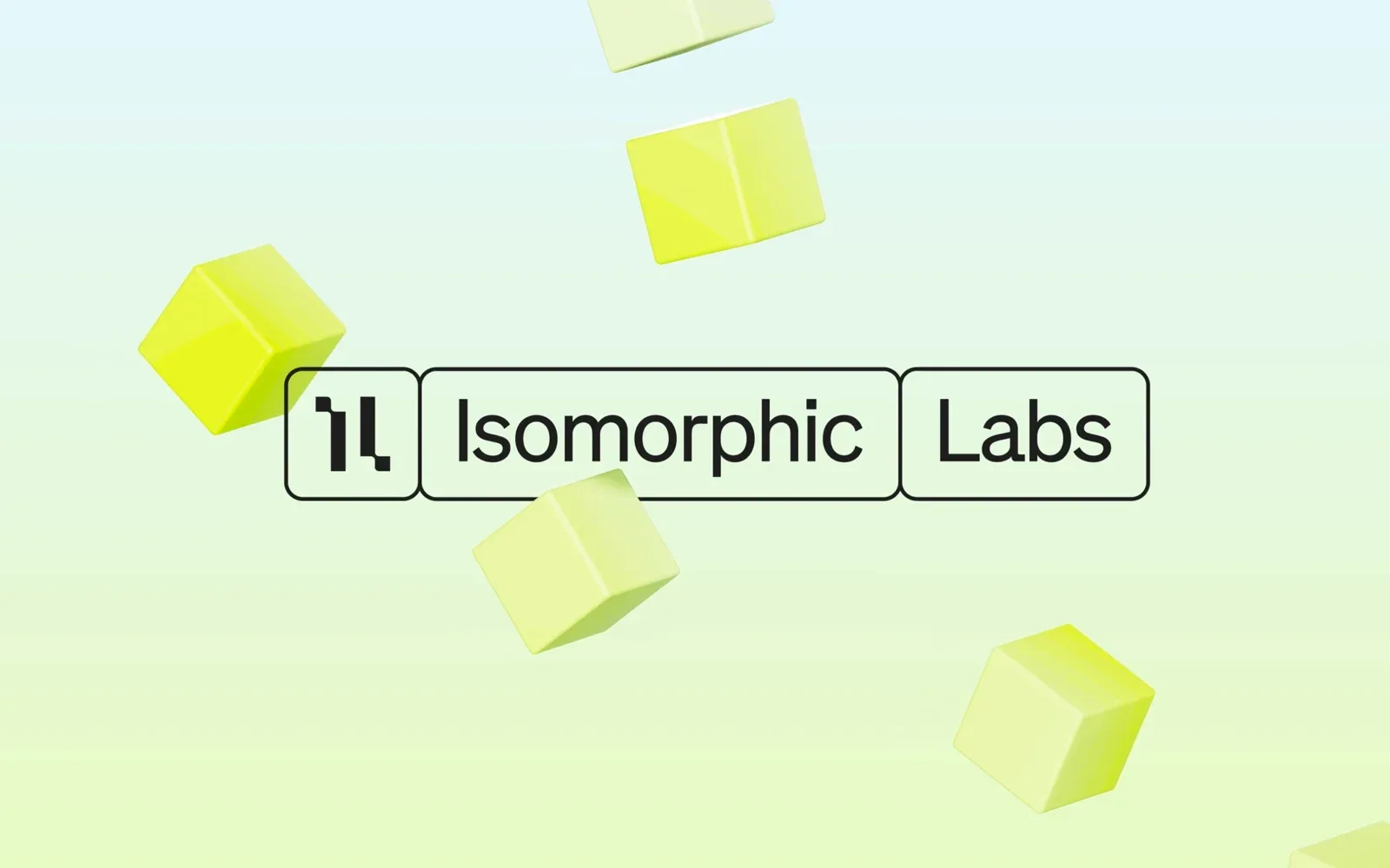
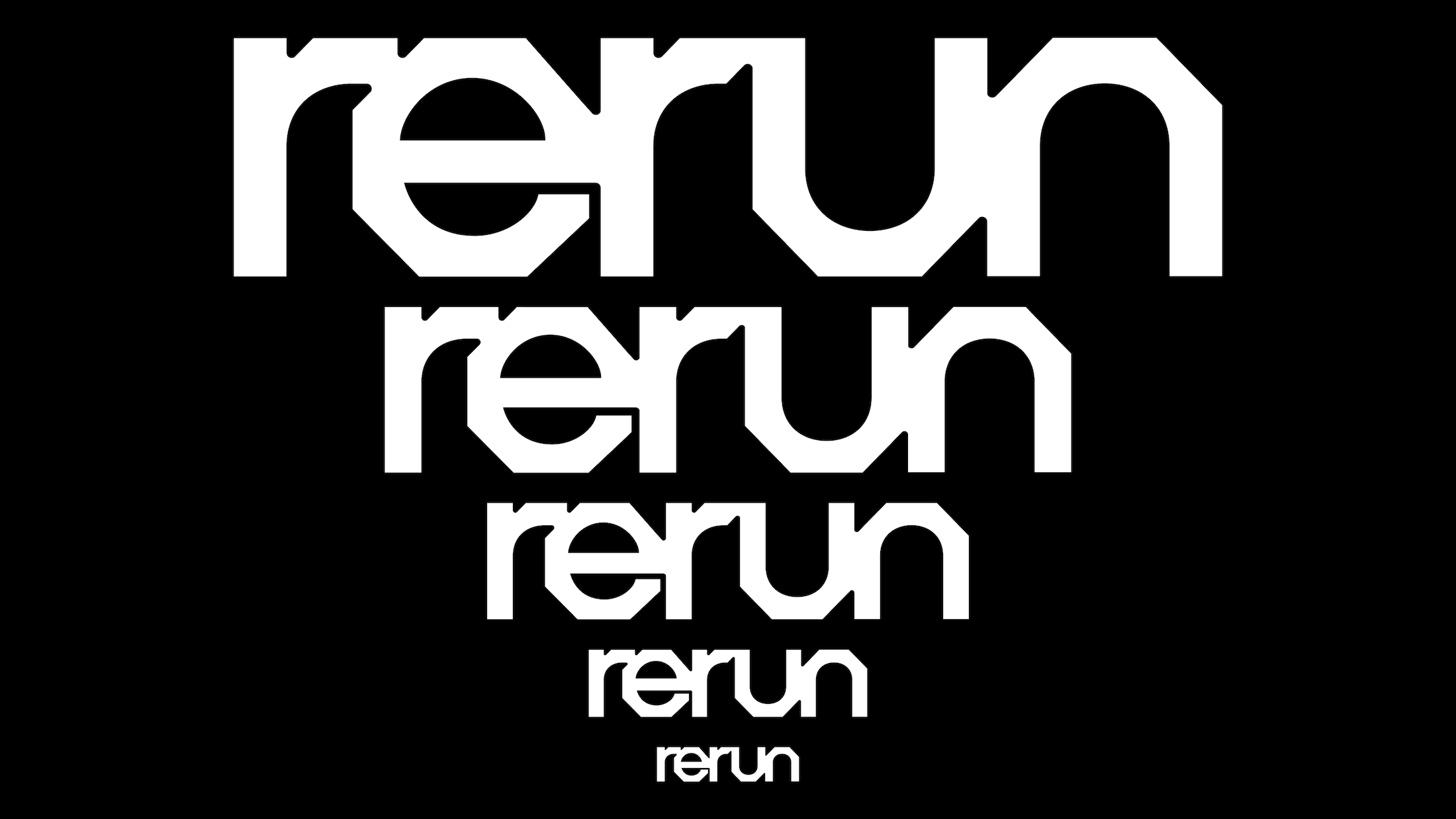
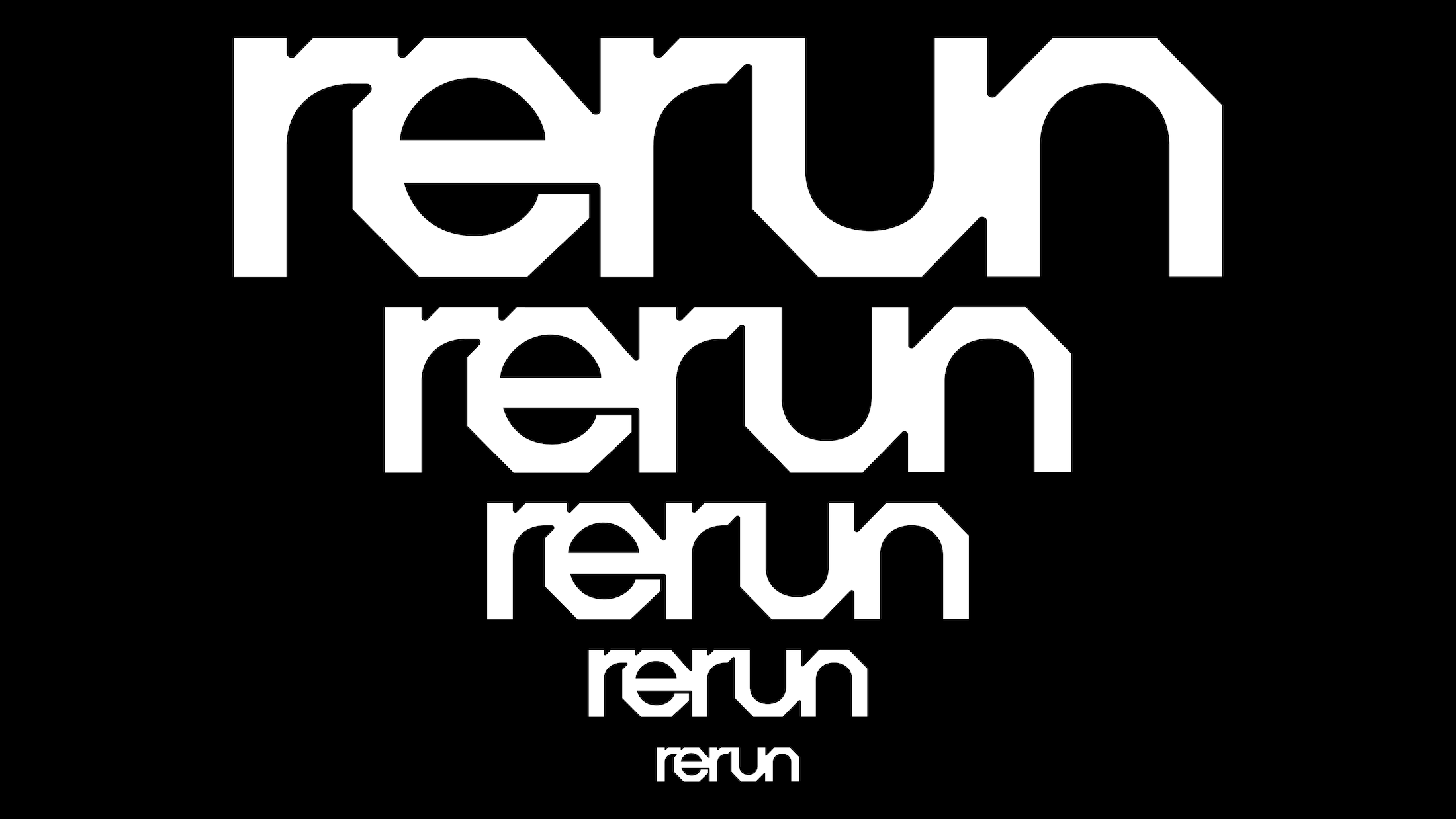
很多品牌案例真正值得讨论的地方,不是形式有多新,而是它背后解决了什么商业问题。《Studio Gruhl’s Global Hypercolour-esque brand identity for Rerun looks to “see w》提供了一个清晰样本:品牌设计如何帮助项目被理解、被记住,并在后续传播和经营触点里持续发挥作用。
图片来源:https://bpando.org/2026/06/16/studio-gruhl-rerun-robots-brand-identity/
根据原文页面呈现的项目信息,Rerun is described as “a unified data layer for physical data that helps teams build smarter robots” which consists of two parts: Rerun SDK, “an open source library and tools for logging, storing, querying, visualising, ...
《Studio Gruhl’s Global Hypercolour-esque brand identity for Rerun looks to “see w》提供了一个清晰的观察入口:品牌设计如何把认知成本、信任建立、传播效率和多触点经营组织在一起。
本文真正要讨论的,不是形式本身,而是品牌设计如何成为商业资产:它能不能让受众更快理解项目,能不能让媒体和销售更容易转述,能不能让官网、宣传册、活动物料和数字页面形成同一套信任表达。对品牌logo设计、品牌系统设计和企业官网设计来说,这比“项目够不够新”更有参考价值。
案例图片与基础信息转载出处:BP&O。文中观点为黑格品牌设计依据页面呈现的图片与基础信息所做的设计观察。
不只是视觉更新,而是品牌资产重组
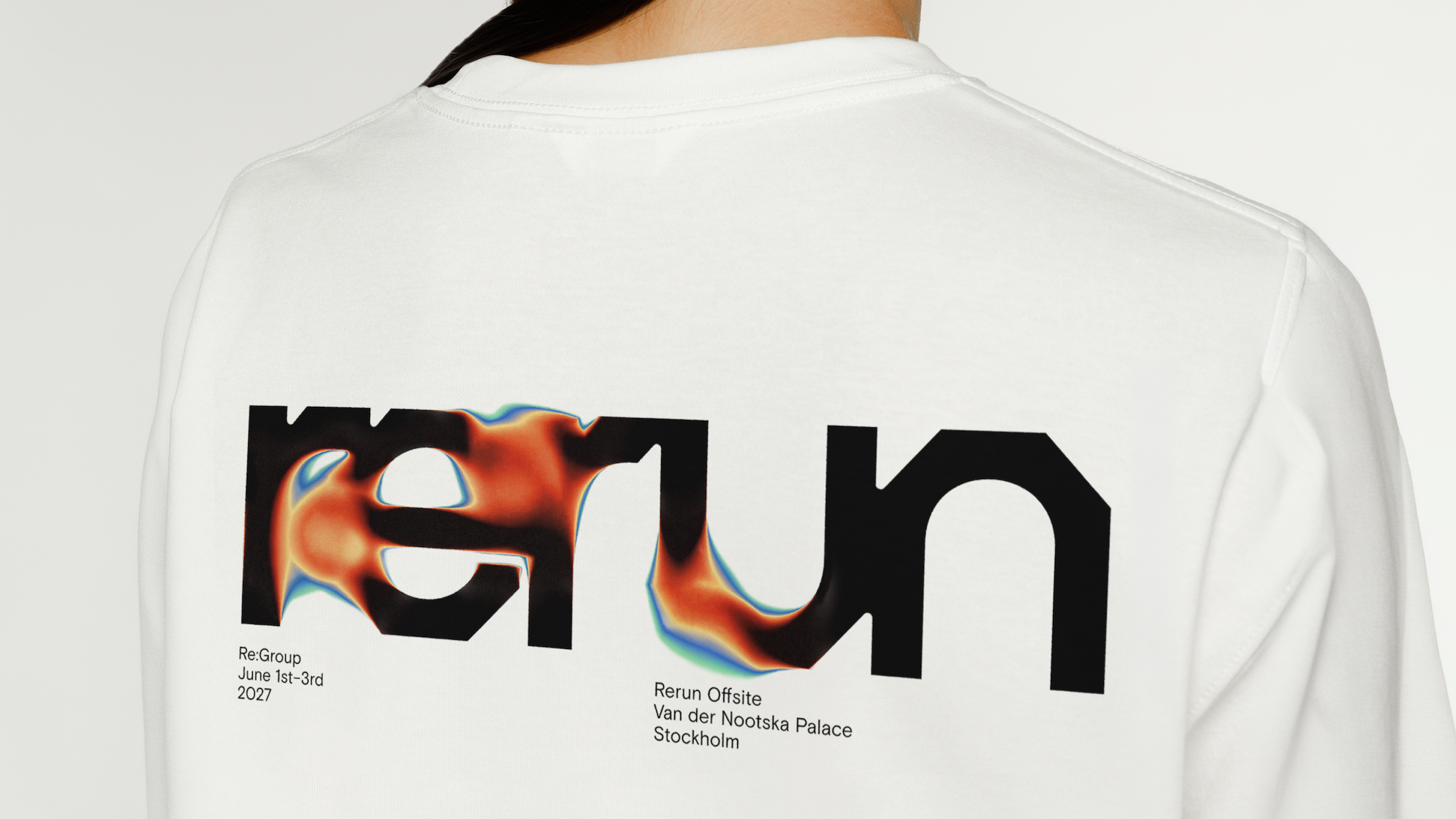
《Studio Gruhl’s Global Hypercolour-esque brand identity for Rerun looks to “see w》所呈现的,不只是单个页面或单张物料的完成度,更是品牌资产如何被重新组织的问题。很多项目表面上看是在更新视觉,实际更重要的是重新回答商业沟通中的几个问题:品牌如何被理解,价值如何被证明,传播如何保持一致。
关键不在形式是否复杂,而在它能否在持续传播中降低沟通成本。也正因为如此,这类项目才值得被放到商业语境里反复观察。
图片来源:https://bpando.org/2026/06/16/studio-gruhl-rerun-robots-brand-identity/
它先解决的商业问题
一个品牌项目首先要解决的,不是“看起来是否完整”,而是用户能否快速判断它与自己有什么关系。品牌表达如果能把项目定位、利益点和可信度放在同一条沟通线上,就会明显降低用户理解成本。
这也是大量商业项目容易失控的原因之一。内容越多,越需要统一的商业判断,否则官网首页、宣传册封面、社交内容和销售话术都会各说各话。
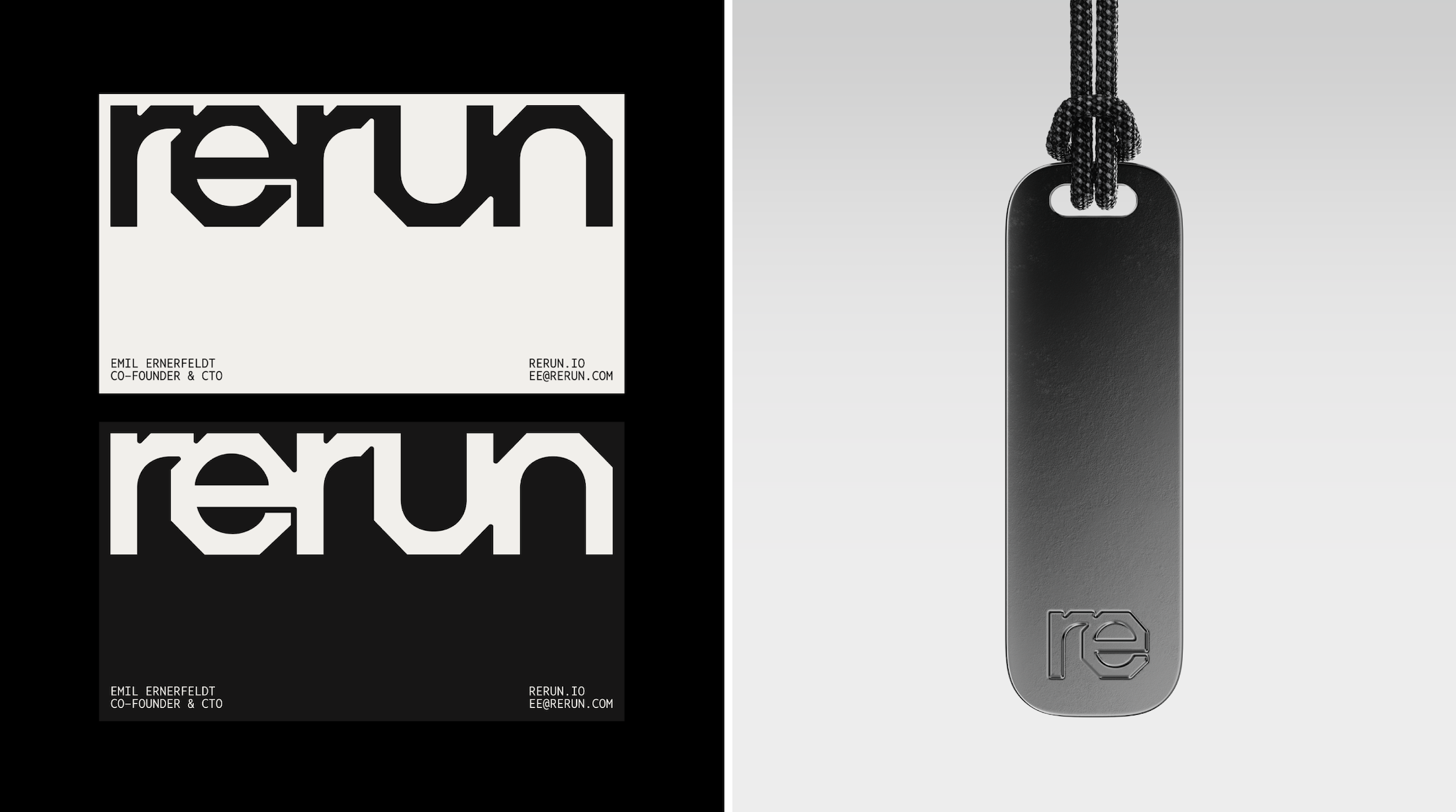
图片来源:https://bpando.org/2026/06/16/studio-gruhl-rerun-robots-brand-identity/
为什么识别会影响记忆成本
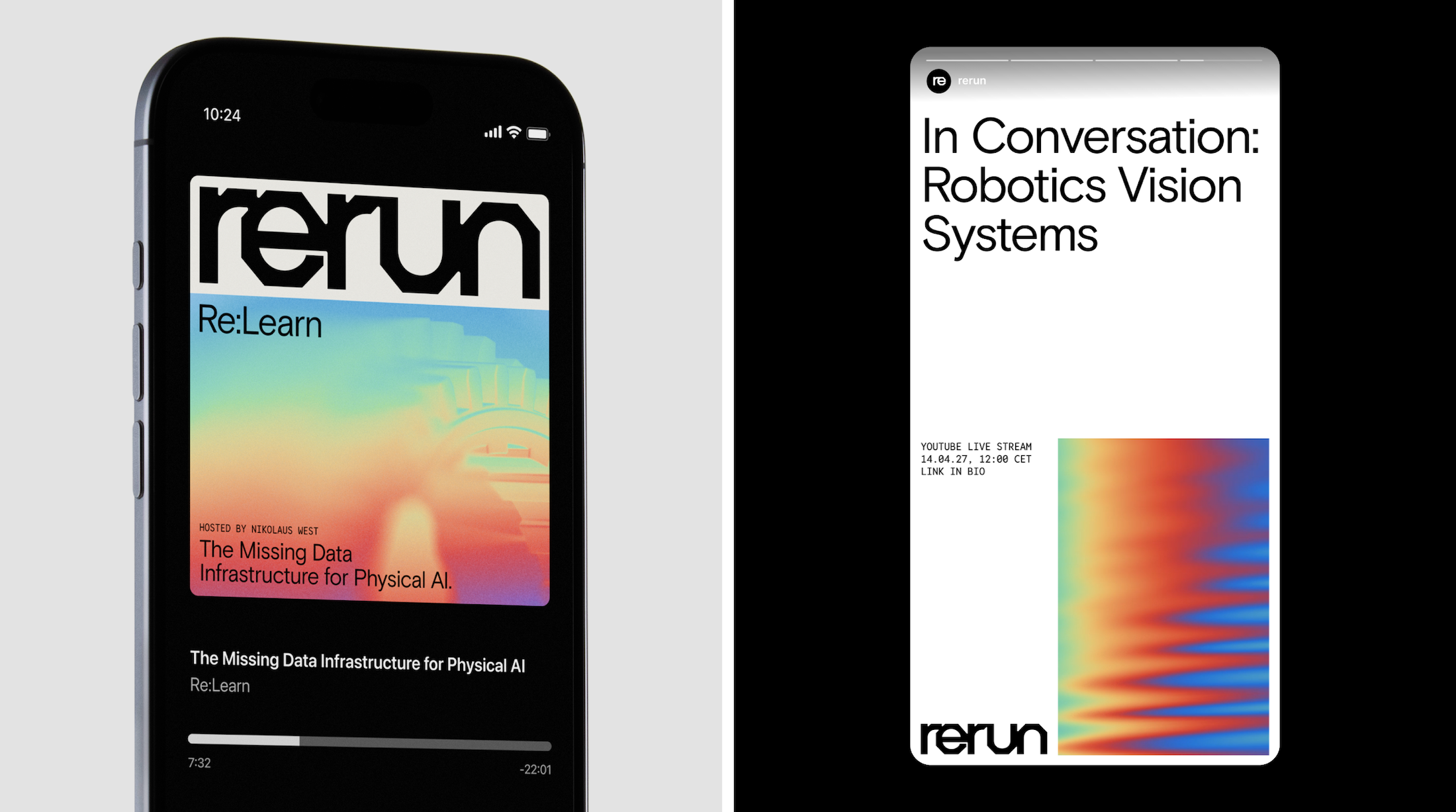
成熟案例和普通展示最大的差别,通常不在于风格,而在于品牌是否容易被记住和被复述。用户、媒体、合作方和内部团队都需要一个足够清晰的抓手,才能把复杂项目转化成一句更容易传播的话。
因此,真正值得观察的是项目如何把品牌价值压缩成更容易被记忆的资产。记忆成本越低,传播效率越高,后续官网、宣传册、招商资料和销售沟通才更容易形成合力。
图片来源:https://bpando.org/2026/06/16/studio-gruhl-rerun-robots-brand-identity/
多触点一致性背后的传播效率
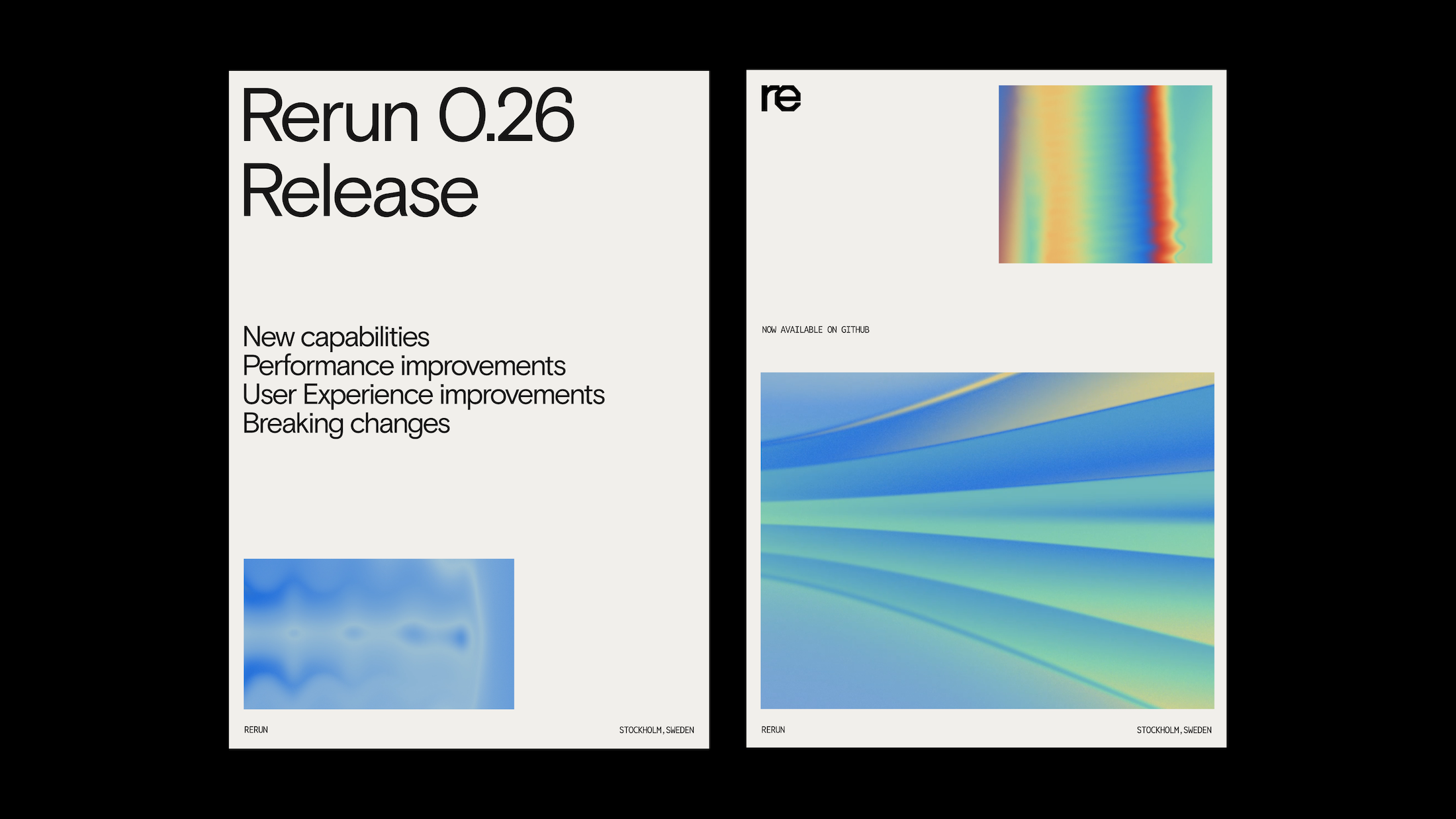
案例分享的价值,最终还是要回到业务触点。企业官网设计、宣传册设计、交互网站设计、产品独立站设计和招商销售资料,面对的是不同客户、不同场景和不同决策阶段。如果一个项目只能在案例页里成立,却无法被带入更多触点,它的商业价值就仍然有限。
相反,当品牌主张、证据表达和沟通语气足够一致时,它就可以继续进入更多场景,并逐渐长成一套能被团队长期使用的品牌系统。
图片来源:https://bpando.org/2026/06/16/studio-gruhl-rerun-robots-brand-identity/
从内容展示到品牌信任
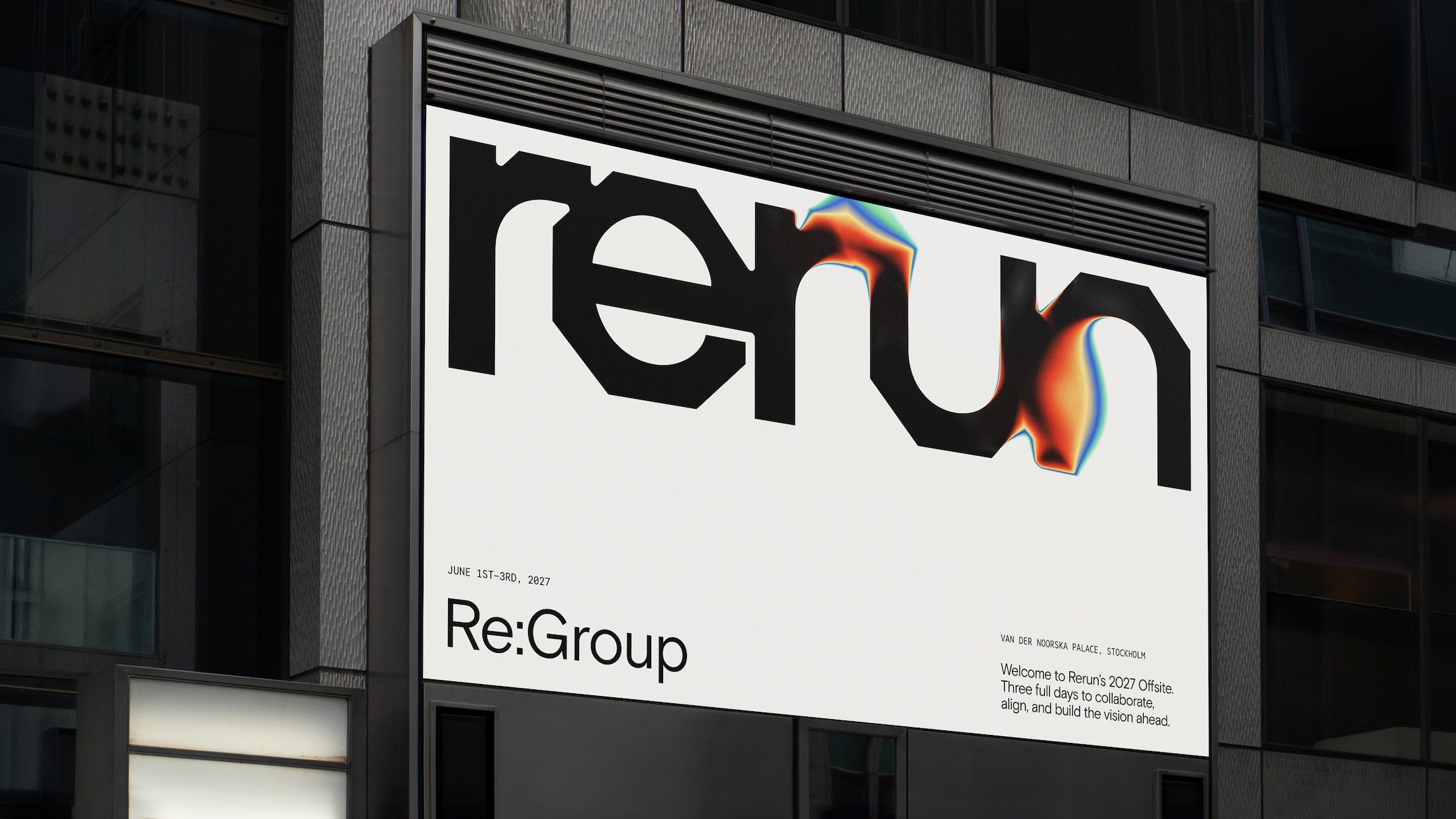
把这组图片放在一起看,真正值得留意的是品牌如何在不同触点里反复建立信任。图片本身不是重点,重点是它们共同服务了同一个商业目标:让项目更容易被理解,让品牌更容易被相信,让下一次沟通更容易发生。
图片来源:https://bpando.org/2026/06/16/studio-gruhl-rerun-robots-brand-identity/
对商业品牌的启发
这类案例对企业官网设计、宣传册设计或品牌系统设计的启发,不是照搬它的表面形式,而是看它如何把品牌资产、客户理解、信任证据和业务触点放在同一套经营逻辑里。商业项目真正需要的,是能持续降低沟通成本、提升转述效率并服务长期增长的品牌设计。
回到品牌资产:让信任被长期积累
借用大卫·艾克关于品牌资产的观点,品牌价值来自长期积累的认知、联想与信任。放到《Studio Gruhl’s Global Hypercolour-esque brand identity for Rerun looks to “see w》,真正值得关注的不是某一张图,而是这些资产能否在官网、宣传册、销售材料和数字触点里继续被使用。
当这些资产被反复调用,品牌就不只是完成一次发布,而是在每一次接触中增加被理解和被选择的概率。
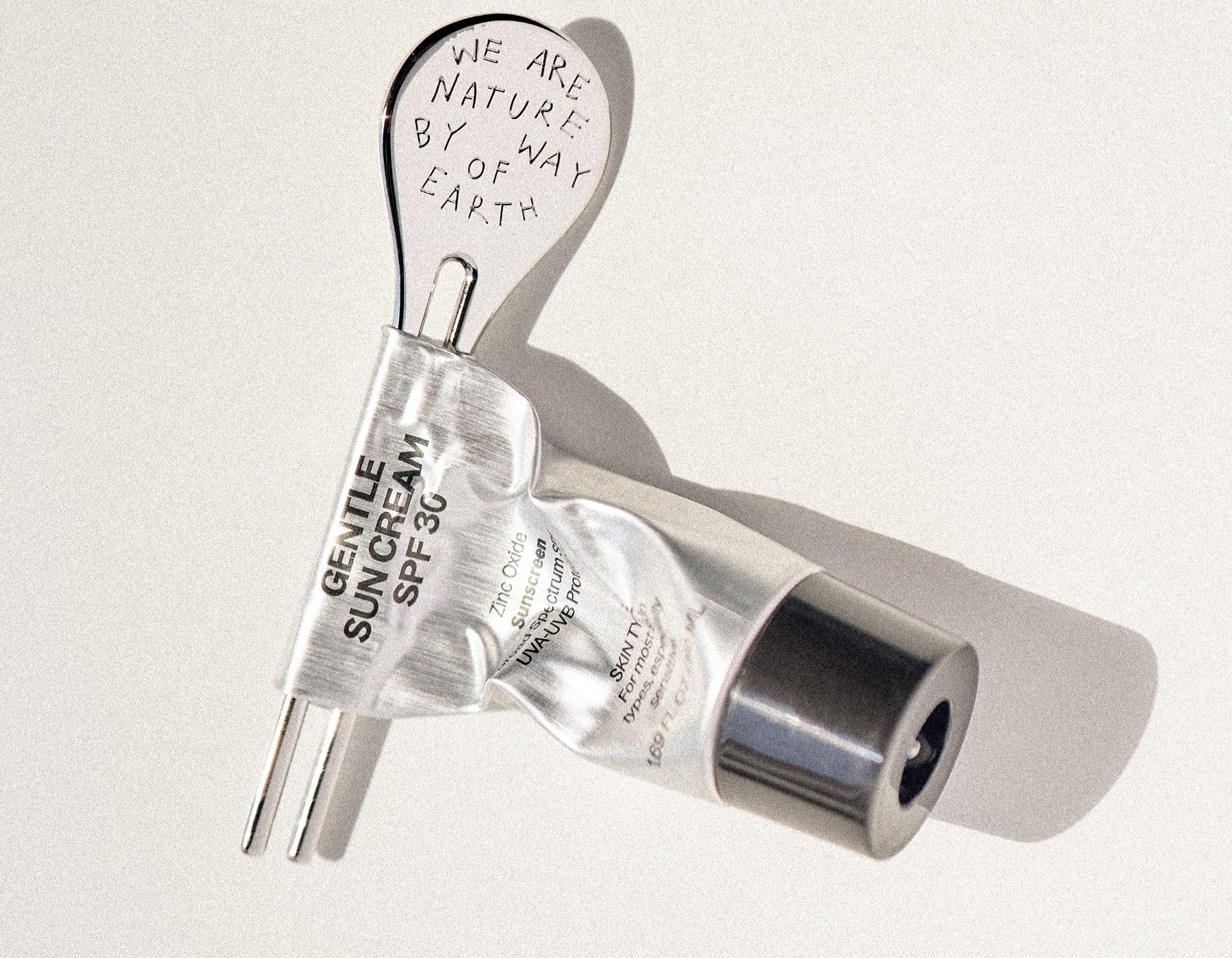
咖啡包装如何把品类故事沉淀成品牌资产
围绕品牌logo设计的商业案例观察:《咖啡包装如何把品类故事沉淀成品牌资产》提供了一个清晰的观察入口:品牌设计如何把认知成本、信任建立、传播效率和多触点经营组织在一起。
黑格品牌设计观察 / 6分钟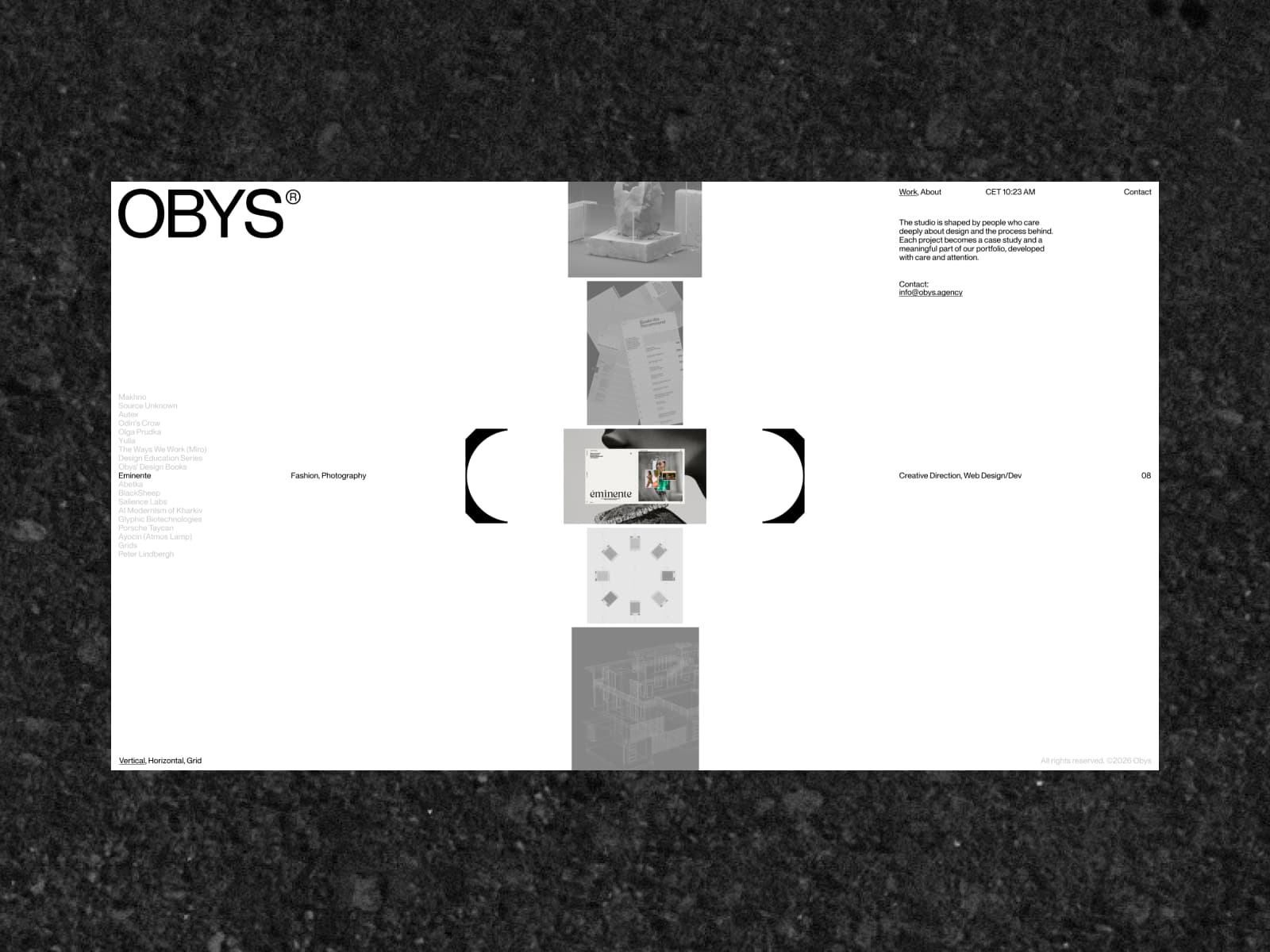
为什么清晰表达比视觉新鲜感更重要
围绕交互网站设计的商业案例观察:《为什么清晰表达比视觉新鲜感更重要》提供了一个清晰的观察入口:品牌设计如何把认知成本、信任建立、传播效率和多触点经营组织在一起。
黑格品牌设计观察 / 6分钟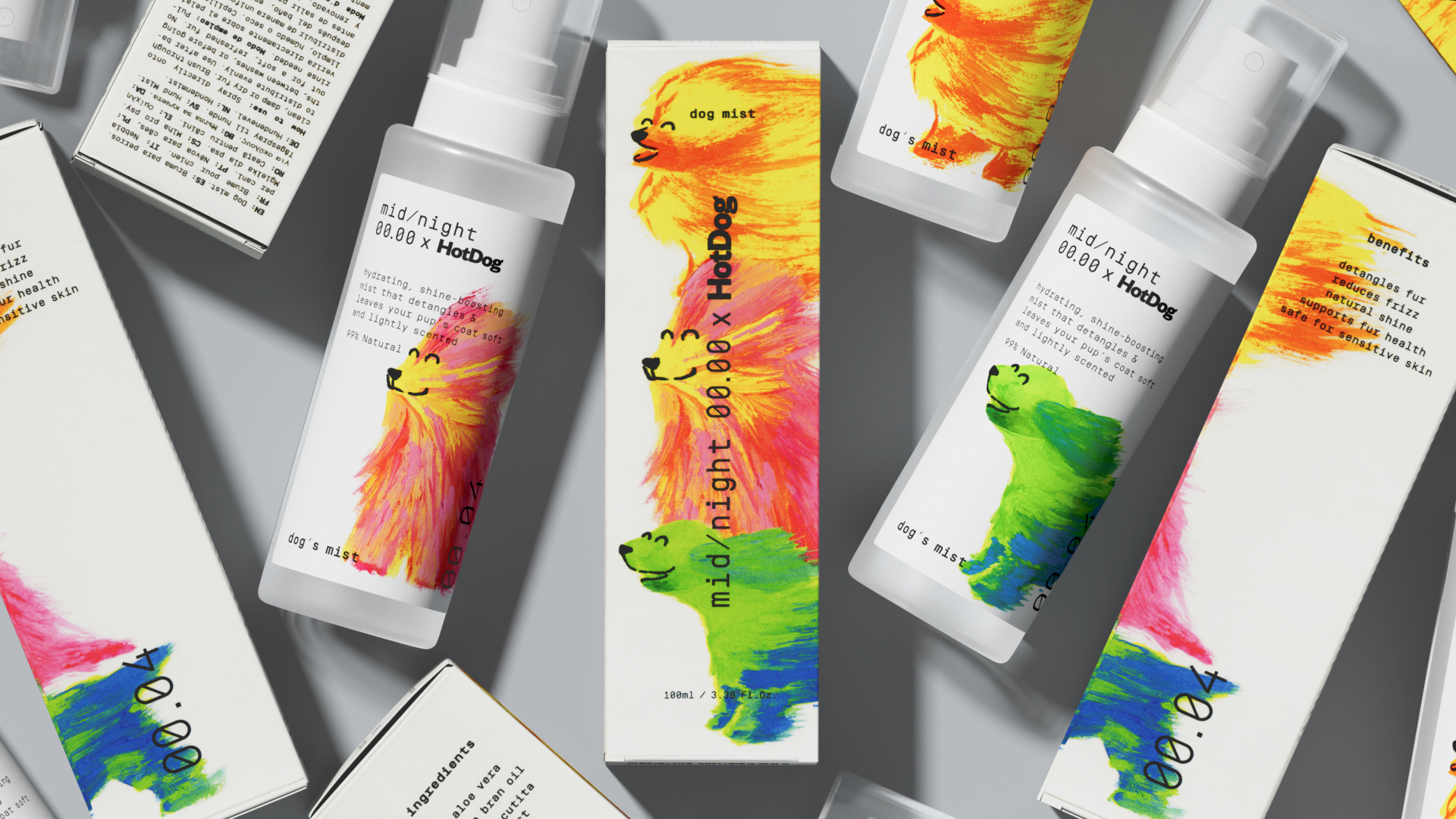
品牌logo设计为什么最终要回到商业沟通效率
围绕品牌logo设计的商业案例观察:《品牌logo设计为什么最终要回到商业沟通效率》提供了一个清晰的观察入口:品牌设计如何把认知成本、信任建立、传播效率和多触点经营组织在一起。
黑格品牌设计观察 / 6分钟